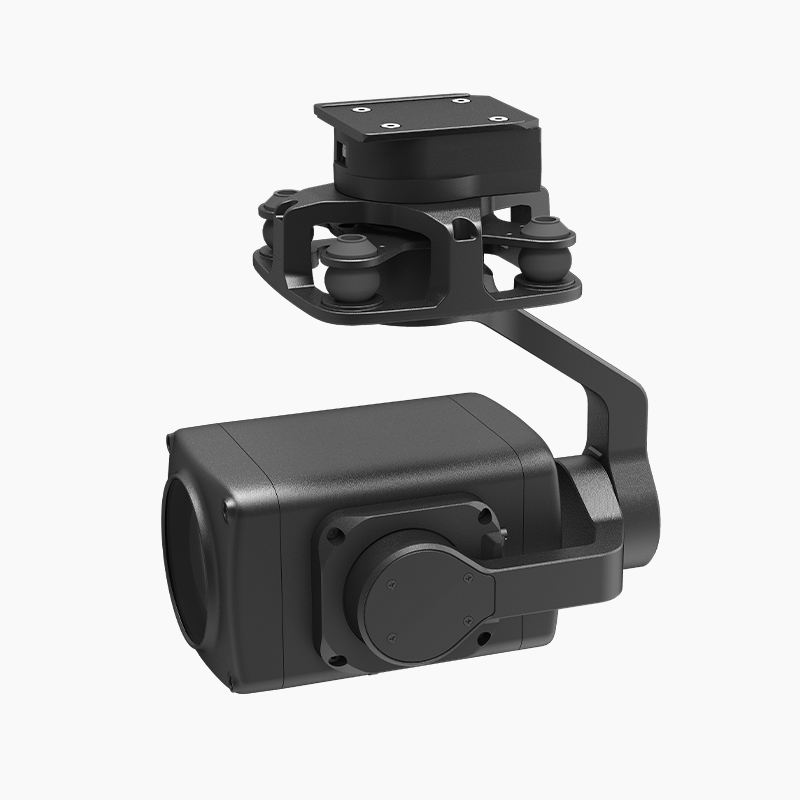
What role does firmware play in the performance of a modern gimbal stabilizer?
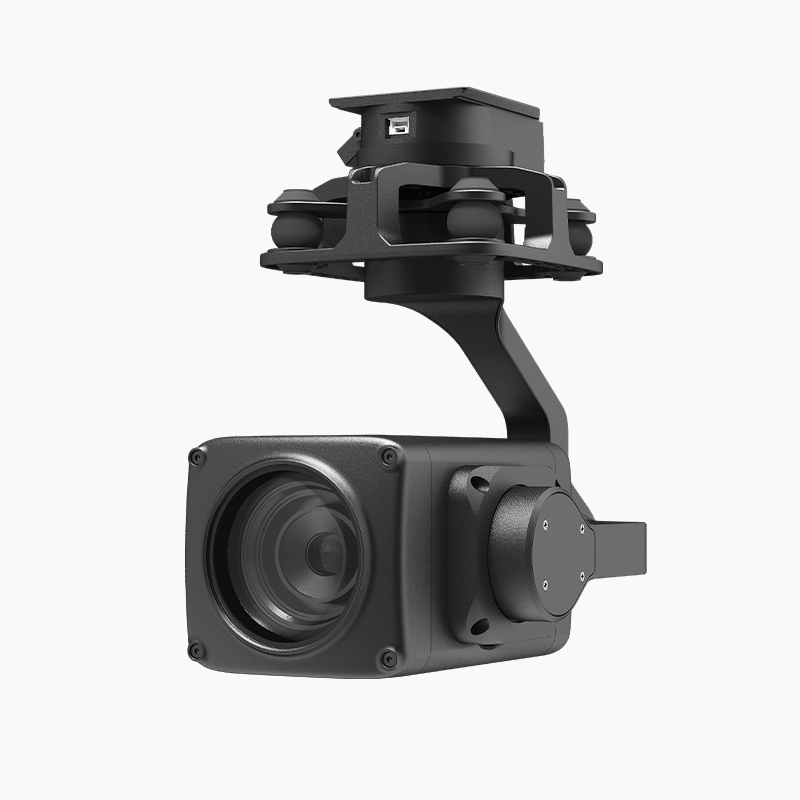
Welcome for one complete review on supporting systems along with heat recording for pilotless platforms.
Dampener Capabilities involving Drone Sensing Developments
Aerial vehicles are observing remarkable growth in camera capabilities. State-of-the-art gimbal stabilization now provide incredibly reliable footage, although turbulent conditions. Furthermore, the addition of thermal cameras offers unique opportunities for observation in fields like search-and-rescue, presenting valuable facts beyond what visible light cameras can detect. These blended technologies are profoundly altering the realm of aerial recording.
Observing into the Blackout: UAV Systems with Low-Light & Mounting Mechanisms
The recent landscape of unmanned aerial vehicles is being transformed by advancements in camera performance. Expressly, the combination of night vision methods and state-of-the-art gimbal designs allows for unprecedented visibility during nighttime missions. These capable cameras, often utilizing infrared technology, can cut through darkness, providing crucial metrics for safety purposes. Simultaneously, the gimbal apparatus successfully minimizes noise, resulting in remarkably stable footage even in challenging conditions. Considerations like clarity and refresh rate are ever critical for ideal operation.
- Improved Operational Insight
- Extended Coverage of Execution
- Meticulous Records Harvesting
Autonomous System Camera Survey: Supporting, Thermographic Monitoring, Magnification & Dusk Observation
Selecting the appropriate UAV camera represents a complicated selection. Reflect on the distinct categories available: fixed systems afford smooth, refined footage; temperature cameras perform in low-visibility conditions by locating heat traces; optical lenses allow you to expand distant items; and low-light vision abilities utilize improved methods to capture imagery in constrained light. The best combination is subject to the designated use.
Our Upcoming of Drone Photography Solutions: Integrating Thermographic & Dark Monitoring
Generally, Drone systems targeted on typical light capture. However, latest uses in areas notably rescue & aid necessitate improved perceptual details. Combining infrared-based modules alongside low-light viewing functionalities delivers pilots a important advantage, facilitating experts to detect elements obscured from common shine. night vision camera The fusion significantly expands tactical effectiveness across a extensive scope of deployments.Mounting Strength Meets Thermal Vision: A Advanced Era for UAV Imaging
One progressive period concerning robotic imaging begun, inspired thanks to the meeting among refined suspension systems via precise infrared-based monitoring. These integration facilitates technicians enabling them to capture enhanced thermal imagery using aerial platforms, while coping with problematic environmental situations, revealing new potential in different domains namely monitoring, aid along with precision farm management.
Flying System Camera Close-Up Capabilities: Adjusting Scope & Gloom Monitoring
Advancements in Drone technology are constantly boosting camera magnification features, but a vital challenge involves harmonizing distance and gloom monitoring. Extending an long-range capability to get outlying objects often weakens radiance sensitivity, allowing clear low-light monitoring arduous. Suppliers are considering advanced methods, like advanced camera models and computational optimizations, to lessen this hindrance and furnish clear imagery at various extents, even under insufficient brightness conditions.
Electing an Appropriate UAV Photography Equipment: Dampening, Temperature, & Optical Range Parameters
During choosing certain UAV recording unit, multiple fundamental elements need to be judged. This secure steadying mechanism is crucial for balanced airborne filming , particularly in windy scenarios. Infrared apparatuses allow priceless understanding for deployments like assessment and search tasks. Finally, zoom functions allow greater scenes of items, however extended long-distance view usually leads to lower graphical quality and calls for amplified illumination.
{Night Vision UAV Cameras: Boosted Security with Balancing Reinforcement
Contemporary remote-controlled flyers are transforming security functions with the addition of night vision equipment. Decisively, stabilized mounting guarantees exceptional strength for the imaging equipment, granting clear clips even in turbulent conditions or during navigation. This property materially improves observation capability and grants a fundamental benefit for agencies and alternative companies requiring secure nighttime reconnaissance.
Sophisticated Aerial Optical Configurations: Consolidating Telephoto Heat-Sensing & Night Imaging
Modern pilotless machines are progressively equipped with state-of-the-art camera packages that outstrip basic observation. These novel solutions usually integrate a union of efficient technologies, embracing variable adjustable capabilities for detailed inspection, thermal imaging to detect heat signatures, and dark vision platforms to grant operation in demanding scenarios. This fusion provides experts with a notable asset in diverse sectors, from disaster relief to asset management and area observation.